
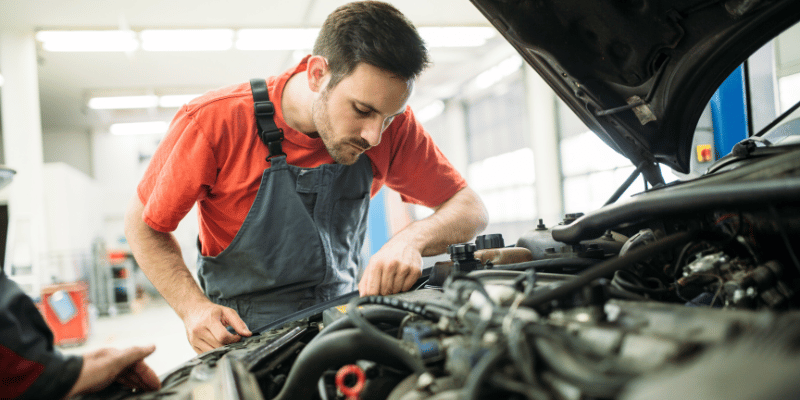
In this article we’ll explore the different types of auto repair shops, identify which one is the most common, and explain how that applies to car‐owners and vehicle service providers in the Philippines context. Whether you’re a driver looking for a trusted workshop, or part of a business seeking to understand the market, this guide by My Auto Care Corporation (MACCPH) will walk you through key concepts, services, benefits, usage tips, precautions, FAQs and emerging trends.
When your car needs servicing, you might ask: “Which kind of workshop should I go to?” or “What’s the typical repair shop most people visit?” Understanding the type of repair shop can help you find better value, trustworthiness and fit for your vehicle’s needs. For vehicle-owners in the Philippines and across the world, choosing the right repair facility is as important as choosing the right car. In this post, MACCPH explains what the most common type of auto repair shop is, why it dominates the market, what services you can expect, and how to make an informed decision.
What are the different types of auto repair shops?
To answer the question of “most common type,” first we need to review the landscape of auto repair shops. According to industry sources and classification guides:
Types of repair shops
- General auto repair shops (also called independent workshops) – offer routine maintenance, diagnostics, oil changes, brake work, etc.
- Auto body / collision repair centres – specialise in bodywork, paint repairs, frame straightening after accidents.
- Specialized service centers – focus on niche repairs (e.g., transmissions, exhausts, tires/wheels) or specific vehicle types.
- Dealership service departments – run by vehicle manufacturers or dealerships, servicing specific brands under warranty or beyond.
- Quick-lube / preventive‐maintenance shops (sometimes called lubrication/safety shops) – focused on fast oil‐changes, filter replacements, simple maintenance.
The most common type of auto repair shop – what it is and why
So: What is the most common type of auto repair shop? According to industry statistics:
- The most common services provided in repair shops are maintenance services (e.g., oil changes, filters, tyres, battery replacement, brake pad changes).
- Because those services are frequent, the shop type that primarily offers maintenance and basic repair tends to be the most common: namely the general/independent auto repair shop (including independent maintenance/servicing workshops), or what one might call the “everyday auto repair shop”.
In other words: While there are many types of shops, the general independent workshop (covering routine maintenance, diagnostics, wear-and-tear repairs) is the most commonly encountered by vehicle owners. Industry data point out that “maintenance services are the most common type of automotive repair service” and dominate the volume of business.

In the Philippines context, that means that for most vehicle owners, the everyday workshop doing oil changes, brake pad replacements, tyre services, filter changes is where you’ll go most often.
Thus: the most common type of auto repair shop = a general independent auto repair/maintenance workshop.
Studies / statistics:
- “Maintenance services are the most common automotive repair service… the most common type of maintenance is oil and filter replacement.”
Key services offered in the most common shop type
Since the most common type is the general independent auto repair/maintenance workshop, here are the key services you’ll typically find, why they’re needed, and what to expect.
Routine maintenance & wear-and-tear
- Oil & filter change: This is arguably the most frequent service. Clean engine oil is critical for lubrication, heat dissipation and long engine life. As one industry report noted: “Oil change and filter replacement … the most common maintenance service.”
- Air filter replacement (engine and cabin) – helps engine performance and cabin air quality.
- Tyre rotation, balancing, replacement & wheel alignment – tyres are the contact point with the road; alignment keeps the vehicle driving straight and protects tyres from uneven wear.
- Battery test & replacement – dead battery is a common failure point.
- Brake system inspections and pad/rotor replacement – safety-critical.
Diagnostics & intermediate repairs
- On-board diagnostics (OBD) scanning – modern vehicles have electronic systems; codes stored in vehicle computers help identify issues.
- Suspension & steering repair – shocks/struts/wear of linkage can affect ride quality and safety.
- Cooling system service (radiator flush, coolant change) – overheating can cause major engine damage.
Why these services dominate
Because general maintenance is frequent, required, and applicable to nearly all vehicles, general auto-repair shops offering these services tend to see high volumes of customers. Moreover, as vehicles remain in use for longer (average 12+ years) the demand for maintenance (rather than new‐car replacement) grows.
Benefits of choosing the right repair shop (especially general/maintenance oriented)
Choosing a reliable general auto repair shop such as MACCPH offers several benefits:
- Cost efficiency: Routine maintenance is far cheaper than major repairs. Preventing issues early is more economical.
- Vehicle longevity: Regular caring extends the usable life of your vehicle, protecting your investment.
- Safety: Ensuring your brakes, tyres, suspension, electrical system are in good shape improves driving safety.
- Resale value: A well‐maintained vehicle with service history is more attractive to buyers.
- Convenience: A trusted local workshop specialising in routine services provides quick turnaround and familiarity with your vehicle.
- Customized local service: In the Philippines context, a local shop knows the road conditions, environment and typical wear‐and‐tear peculiarities (e.g., heavy traffic, heat, local fuel quality).
Usage tips – what to look for & how to engage a repair shop
Here are actionable tips when selecting and working with a repair shop:
- Check credentials and reputation: Ask about certifications (where applicable), credentials of technicians, years in operation, customer reviews.
- Ask for service history and schedule: Maintain a log of what has been done, and follow recommended intervals (for example every 6 months or every 10,000 km or as your vehicle’s manual suggests).
- Request transparent pricing: A good shop will give you a clear estimate, explain the work, parts to be used (OEM vs aftermarket).
- Make regular visits for preventive maintenance: Don’t wait for a breakdown. Regular inspections catch wear before failure.
- Keep an eye on common maintenance items: Oil/filter, tyres, brakes, battery, alignment – make them part of your checklist.
- Ask about specialised repairs vs general work: If you have a specific problem (e.g., engine rebuild, collision repair) you may need a more specialised shop. But for general maintenance, a general workshop is suitable.
- Use local expertise: Especially in the Philippines, use a shop familiar with local conditions (road, climate, fuel quality).
- Service history proof: Having records helps you track what’s been done and aids resale or warranty claims.
Precautions & things to watch out for
While general auto repair workshops are common and very useful, here are some pitfalls to avoid:
- Over-upselling unnecessary services: Some shops may suggest more than needed; ask for explanation or second opinion.
- Cheap parts / non-certified technicians: Using inferior parts may reduce reliability; poor workmanship may cause repeat issues.
- Ignoring major repairs too long: While routine maintenance is key, if you ignore a serious issue (e.g., engine mis-fire, major transmission slip) and treat it as basic maintenance only, you risk more damage.
- Warranty or brand‐specific restrictions: If your vehicle is under manufacturer warranty, using non‐certified independent workshop may affect it—check your warranty terms.
- Mis-match of specialization: If you require collision repair or high‐performance tuning, a general shop may not have the special tools or expertise – a specialist may be better.
- Lack of transparency: A reliable shop should show you what’s been done, provide receipts, return old parts (if relevant).
- Not scheduling timely service intervals: Skipping intervals leads to accelerated wear and higher risk of breakdown.
FAQs
What exactly qualifies as a “My Auto Care Corporation (MACCPH)”?
It is a workshop that provides routine maintenance, diagnostics and basic repair services across many vehicle systems—engine, brakes, tyres, electrical, etc. It is contrasted with body‐shops, specialised repair centres or dealership service departments.
How often should I visit the repair shop for maintenance?
It depends on your vehicle’s manufacturer schedule, usage (heavy traffic, stop‐and-go), road conditions and age of vehicle. Some intervals are every 6 months or every certain mileage (e.g., 10,000 km). According to one source, “full service” may be once a year or 12 000 miles.
What if I have a specialised problem (e.g., transmission rebuild, major collision)?
Then you may need a specialised repair shop – transmission specialist, body/collision centre – because a general workshop may not have the depth of expertise or equipment. Knowing which shop type fits your need is important. Contact us.
At My Auto Care Corporation (MACCPH) in the Philippines, we specialize in delivering the routine maintenance, diagnostics and general repair services you expect—and we do it with transparency, quality parts, and skilled technicians. Whether your vehicle needs a simple oil change or a broader inspection, we’re here to support you.
Your vehicle is an important investment—treat it well by visiting the right shop at the right time.